There’s always more on the board than I can see
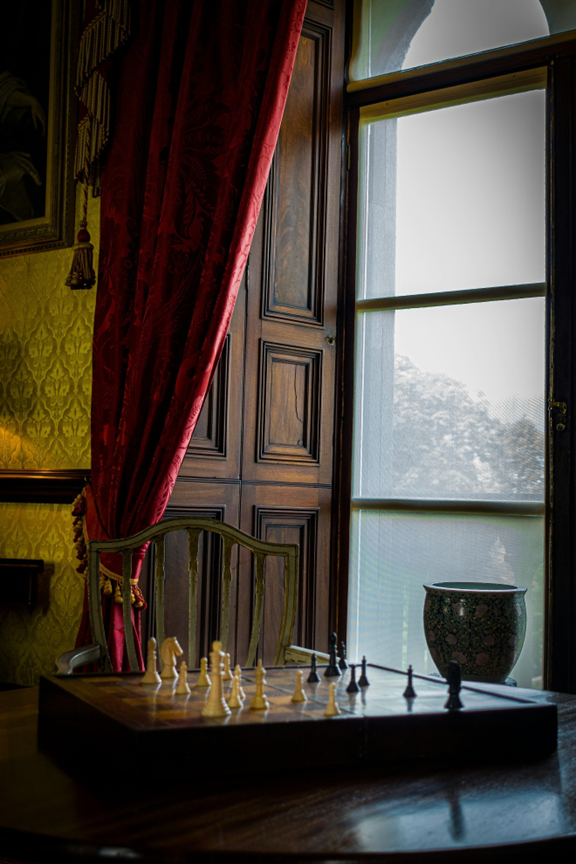
I was reminded of this recently while watching a movie, and it brought back a memory I hadn’t thought about in a long time.
More than a decade ago, I played a game of chess with my father. He’s very much alive, but that game may have been the last time we ever sat down to play together. Life moved on, as it tends to do. Still, the game stayed with me.
We played for a while—well over half an hour—both of us fully immersed.
At some point, I found myself in what looked like an excellent position. I could see only a few possible moves he had left—four, maybe—and every one of them seemed to favor me. I was proud. A little too proud.
I did something I almost never do: I pointed out each move my father could make and explained why it wouldn’t work. I wasn’t trying to be unkind—I was just genuinely happy. Confident. Probably arrogant.
My father, of course, is no dummy.
He found a way out. Something I didn’t see. Something I couldn’t see at the time.
And about twenty minutes later… he won.
What’s strange—and important—about that memory is this: I wasn’t embarrassed. I was happy. It was a great game. A good loss. One I’ll never forget.
That game taught me something that keeps proving true, in chess and in life:
the moment I think I fully understand the board is usually the moment I stop seeing it clearly.
There’s almost always more going on than I can see.